Digitization potential for M&A strategy - tasks and tools
Tools for automation of M&A strategy tasks
In the M&A strategy phase you typically find the following tasks:
Embedded M&A Strategy
Finding potential targets
Processing the long and short list
Evaluation of the fit of a target
M&A Capability Maturity test
Finalize and Approve Deal Proposal
So far, so good. Now let us assign different tools to the tasks. The result is shown in the next picture. Each box is a task. Within the box, you find the task name in bold. Below the task name, you will find names of tools that can be used for the task.
This is just an interim result. More tools will be added to the model.
By looking at the automatability of a task and available automation oprtions (tool), we can give an estimate of the digitization potential of the tasks in discussion as shown in the next graphics.
By adding more tools over time, we can build a map of tools and automation options for the M&A process. The result will be shown in detail in my new book “M&A strategy automation“.
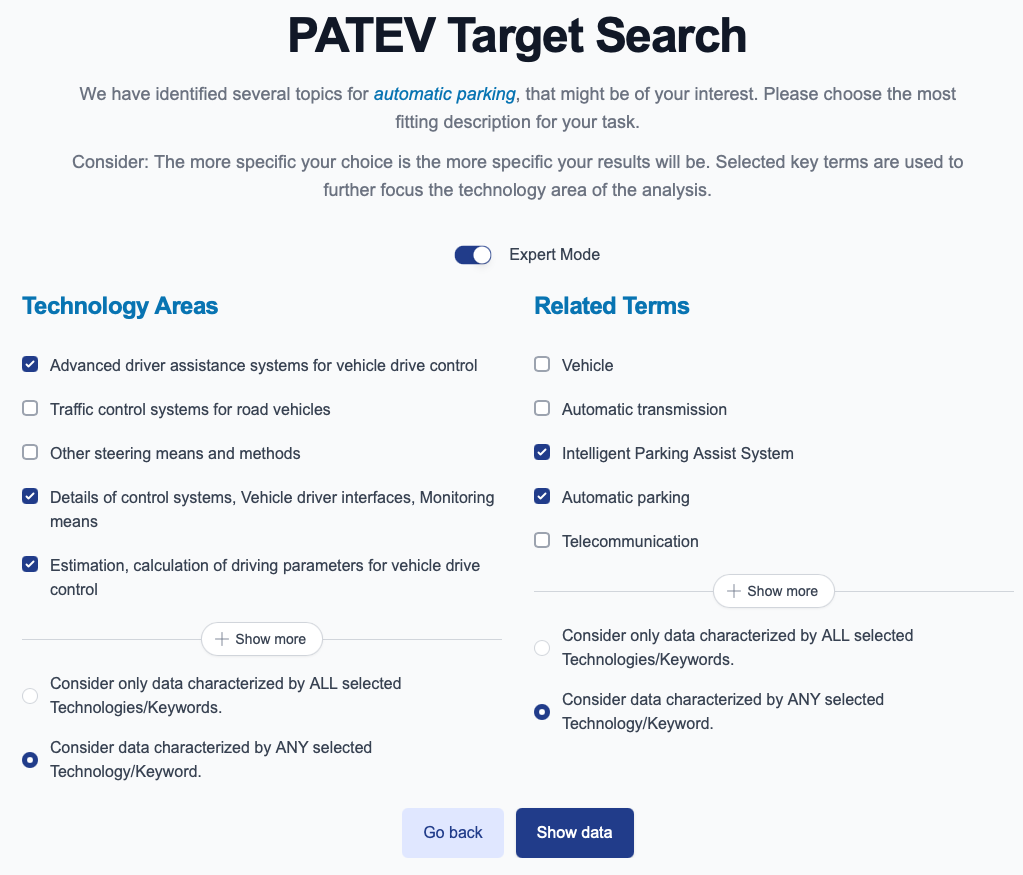
Let us schedule a free demo to answer the following M&A relevant questions with this AI-based search and analysis called TargetSearch:
Which companies are currently dominant in your technology/product area and geographical region of interest (indicated by the number of their patent families)?
Which companies are the leading developers today and the key market players of the future? (Recent patent applications indicate current development activity and new current or planned products and services.)
In which geographical regions are the most recent patenting (=developing, with actual or planned production) companies located?
What is the ratio of the recent patent family volumes between companies? This is an indication of recent or projected product/service sales value or market share proportions.
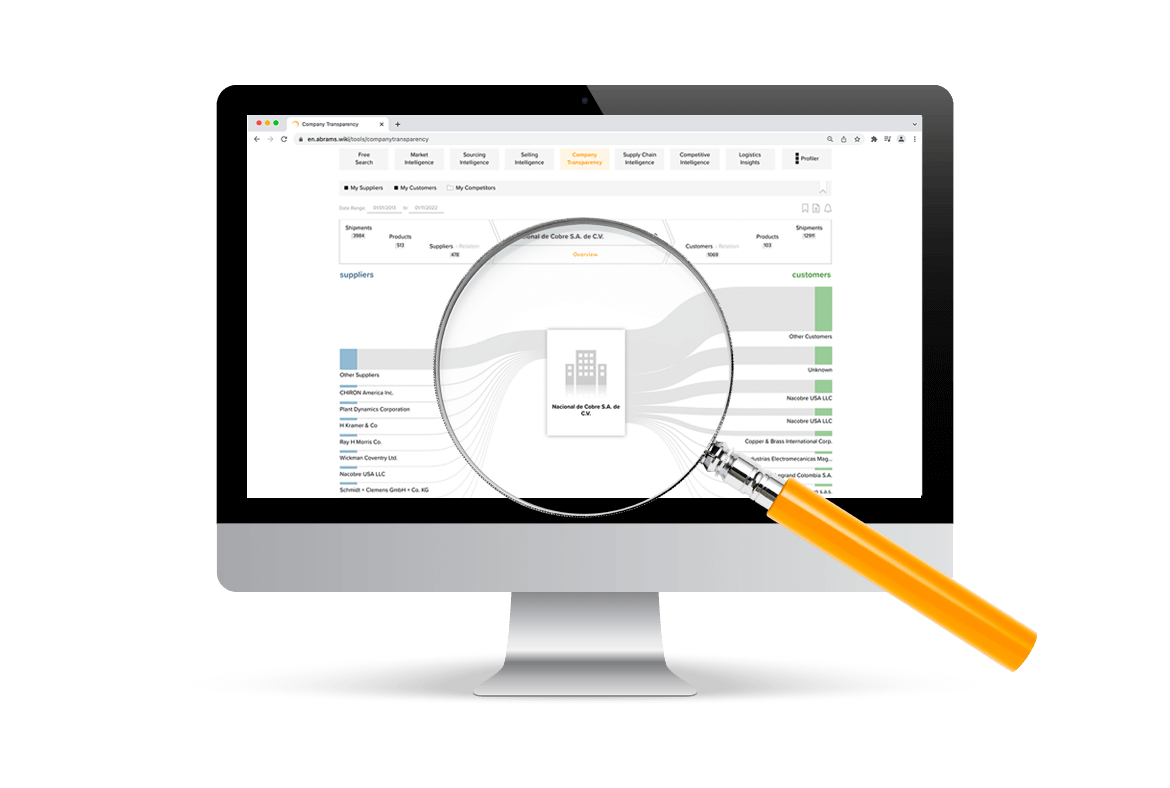
Abrams brings you value:
Faster, well-founded analyses for pitch and execution
Deeper insights (e.g., supply-chain risks, market modeling) that are often not covered internally
Competitive advantage over other advisors
Higher deal quality and a stronger negotiating position
Example: Contributions from ABRAMS wiki in target search:
Expand breadth via the supply‑chain view — not just the “visible” firms (large, public, registered) but also critical niche suppliers or specialized customers.
Cluster by role in the value chain — tier‑1, tier‑2, bottleneck, innovation supplier.
Quickly surface hidden champions — e.g., firms with little financial visibility that are key suppliers to industry leaders.
Regional additions — trade‑flow visibility reveals alternative targets across regions (e.g., reshoring options).
Value: the longlist becomes substantially broader and more strategic by factoring in operational relevance.