Evaluating the target´s supply chain in M&A
To thoroughly assess the supply chains of a target entity in the context of mergers and acquisitions, it is advisable to adhere to several best practices. The following delineates key strategies:
1. Comprehensive Due Diligence - Execute an exhaustive evaluation of the target's supply chain, encompassing suppliers, logistics, and distribution networks. - Assess the reliability and performance metrics of principal suppliers and partners.
2. Risk Assessment - Identify potential vulnerabilities within the supply chain, including dependency on singular suppliers or geopolitical uncertainties. - Formulate strategies aimed at mitigating the identified risks.
3. Integration Planning - Strategize for the post-acquisition integration of supply chains to facilitate uninterrupted operations. - Synchronize supply chain strategies with overarching business objectives and goals.
4. Technology and Systems Evaluation - Evaluate the technological frameworks and systems employed within the target's supply chain for compatibility and operational efficiency. - Contemplate enhancements or integration with pre-existing systems to bolster performance.
5. Cost and Efficiency Analysis - Conduct an analysis of the cost structure pertaining to the target's supply chain to uncover opportunities for cost reduction. - Assess the efficacy of logistics and distribution methodologies.
6. Cultural and Strategic Alignment - Ensure congruence between the supply chain practices and organizational culture of the target and that of the acquiring entity. - Evaluate the strategic compatibility of the supply chain concerning market expansion and customer service enhancement.
For deeper understanding, exploring resources like [Dr. Karl Michael Popp's Blog on Supply Chain Due Diligence](https://www.drkarlpopp.com/karl-michael-popps-blog/five-questions-for-the-due-diligence-of-supply-chains-during-mergers-and-acquisitions) could be quite rewarding.
There are tools to automate supply chain analysis. See below
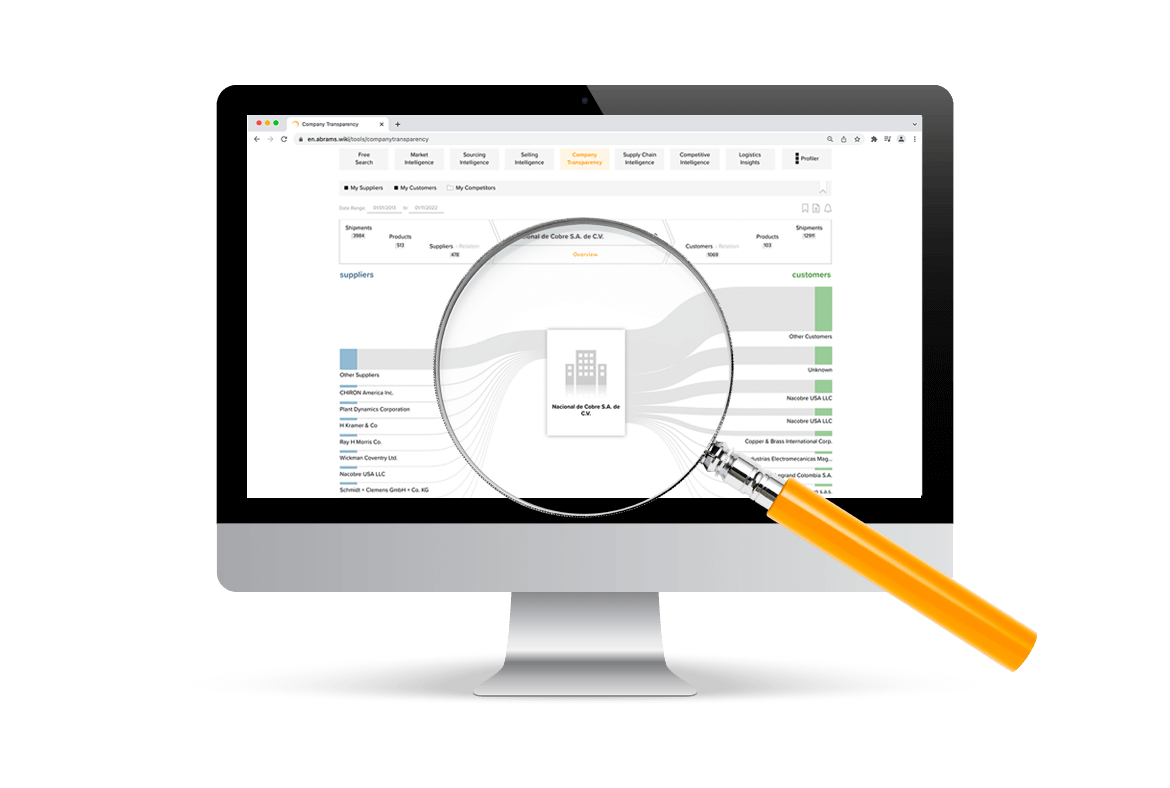
Abrams brings you value:
Faster, well-founded analyses for pitch and execution
Deeper insights (e.g., supply-chain risks, market modeling) that are often not covered internally
Competitive advantage over other advisors
Higher deal quality and a stronger negotiating position
Example: Contributions from ABRAMS wiki in target search:
Expand breadth via the supply‑chain view — not just the “visible” firms (large, public, registered) but also critical niche suppliers or specialized customers.
Cluster by role in the value chain — tier‑1, tier‑2, bottleneck, innovation supplier.
Quickly surface hidden champions — e.g., firms with little financial visibility that are key suppliers to industry leaders.
Regional additions — trade‑flow visibility reveals alternative targets across regions (e.g., reshoring options).
Value: the longlist becomes substantially broader and more strategic by factoring in operational relevance.
This relates to my new book “Automation of Mergers and Acquisitions“.