Leveraging the target´s patent portfolio in M&A
To effectively leverage a target's patent portfolio within the context of mergers and acquisitions, a number of best practices are advised. Below are several pivotal strategies:
1. Early Involvement of IP Counsel - Involve intellectual property (IP) counsel at the earliest stages of the M&A process to evaluate the robustness and strategic significance of the patent portfolio. - Ascertain that all IP-related concerns are recognized and resolved prior to the consummation of the transaction.
2. Comprehensive Patent Due Diligence - Execute exhaustive due diligence to assess the validity, enforceability, and breadth of the patents in question. - Confirm patent ownership and guarantee that all requisite assignments and licenses are duly executed.
3. Patent Valuation - Evaluate the economic significance of the patent portfolio, taking into account variables such as market potential, licensing prospects, and competitive leverage. - Utilize this valuation to guide negotiation tactics and pricing frameworks.
4. Integration and Maintenance - Formulate a strategy for the seamless integration of the patent portfolio into the operational framework of the acquiring entity. - Ensure that the patents are adequately maintained, which includes the timely payment of fees and adherence to legal stipulations.
5. Strategic Alignment - Align the patent portfolio with the overarching business strategy of the acquiring firm to optimize its utility. - Identify avenues for utilizing patents to enhance product offerings or penetrate new market segments.
6. Risk Management - Recognize potential risks, such as ongoing litigation or disputes pertaining to the patents, and devise strategies for their mitigation.
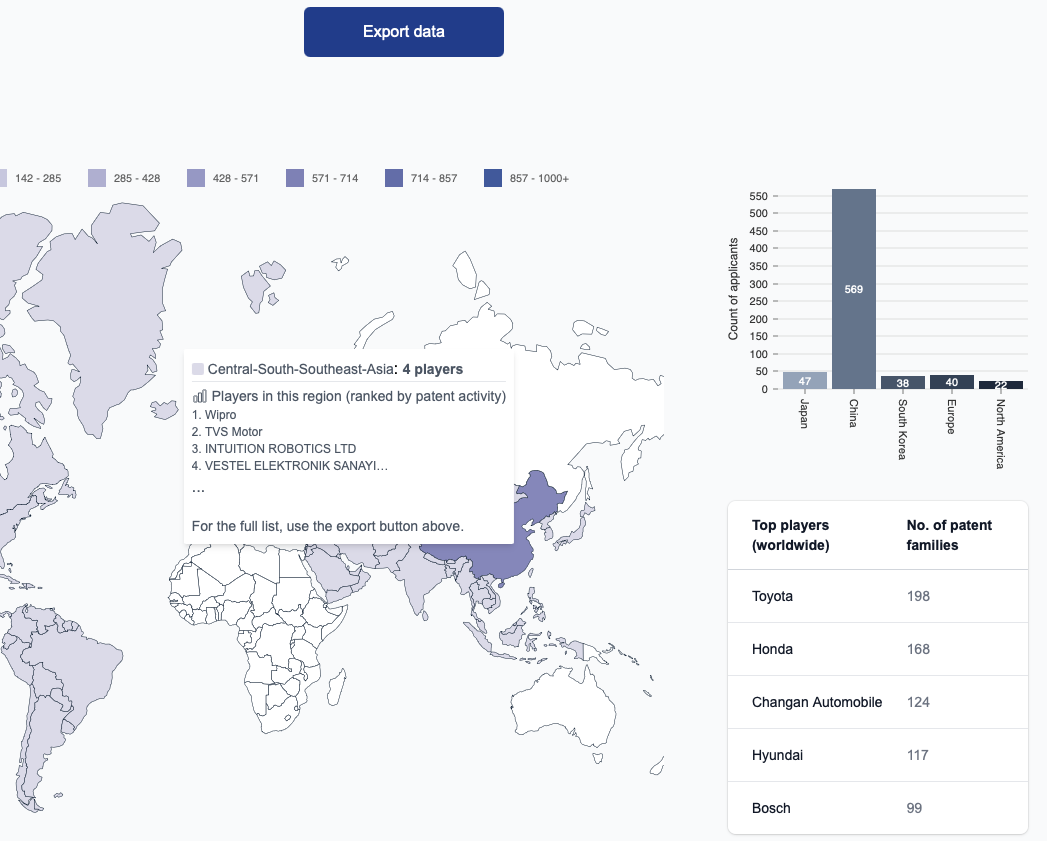
The following M&A relevant questions can be answered with this initial AI-based search and analysis tool PATEV TechValue:
Are there any patents pending or granted with the company in your mind (your client), as applicant/owner?
In which technology areas (as defined by AI) and countries are the patents of it?
In which regions/countries are the most third party (competitor) patents in these Technology Areas?
What is your client's patent position compared to its technological competitors? How many patents do they have compared to your client, in different countries/regions?
(Technological competitors: Companies with patents or patent applications in the same technological area(s) as your client. They can be potential suppliers or customers of your client as well.)
Does your client’s patent portfolio have potential monetary value based on its position in the competitive environment?
This relates to my new book “Automation of Mergers and Acquisitions“.